Desperate for Early Grass Growth?


Plan Now for Early Grass This Spring
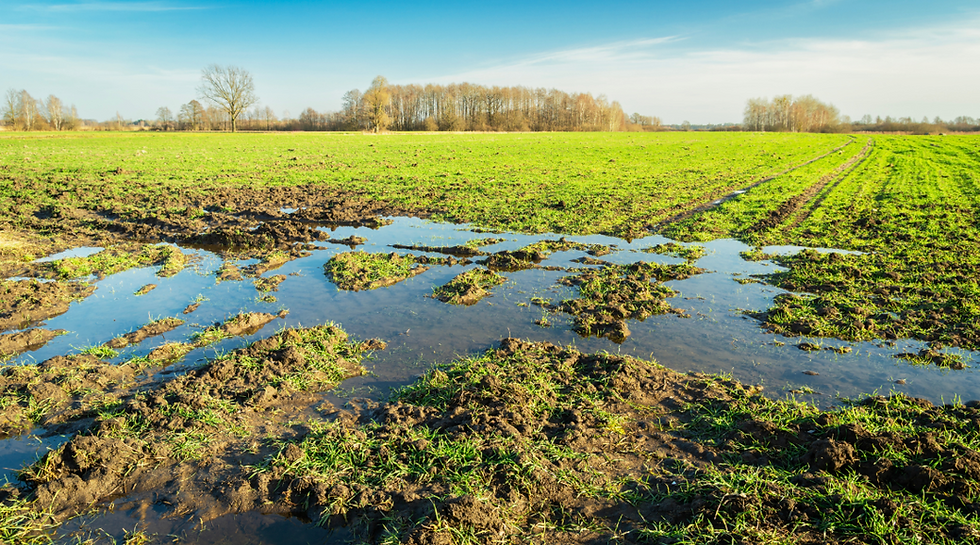
January has already reminded us how tough this winter is shaping up to be. Snow, frost, and flooding have left us with saturated ground, putting pressure on soils across the country, while forage and feed costs continue to bite hard.
For dairy and beef farmers working on tight margins, early grass growth this spring will be critical. The earlier the grass starts growing, the sooner cattle can be turned out, and the quicker expensive feed bills can be reduced.
The good news is that action taken in early February can make a real difference to grass performance in early spring.
Early February Applications, Early Spring Results
Edwards’ Advanced Seaweed Fertiliser, combined with EASy BioN, is designed to support soils under stress and prepare them for growth.
Applying now will help kick-start your soil’s biology as temperatures begin to rise, encouraging recovery after winter damage and setting fields up to respond quickly when growth conditions improve.
This approach strengthens soils and grass before the main growing season begins, helping deliver earlier, more stress-resilient grass when it matters most.

Earlier Grass Means Lower Feed Costs
With the cost of producing milk and beef under constant pressure, reducing reliance on bought-in feed is essential. Earlier grass growth helps to:
Turn cattle out sooner
Reduce silage and forage use
Cut dependence on expensive concentrates
Improve overall production margins
Unlike chemical-based fertilisers, Edwards’ Advanced Seaweed Fertiliser is safe for cattle, allowing livestock to return to grazing straight after application. There is no waiting period, which is vital when grazing windows are short in early spring.